
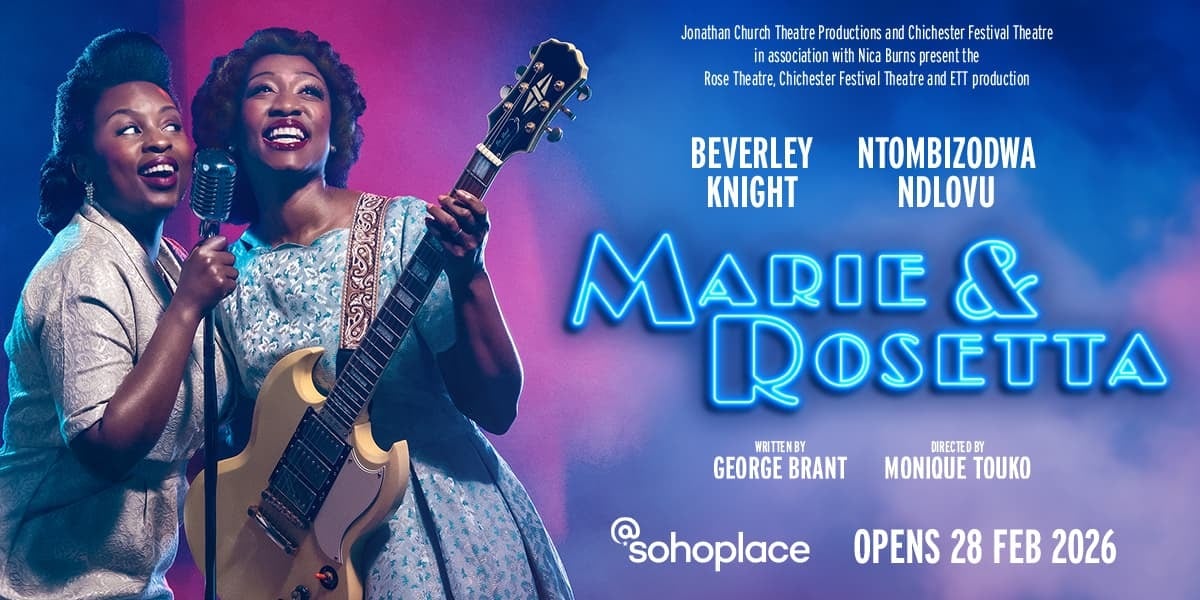
Marie & Rosetta: The Gospel Roots of Rock ’n’ Roll That Changed Music Forever
Published on 23 January 2026
The play Marie & Rosetta brings to life one of the most influential — and often overlooked — partnerships in music history. Set in Mississippi in 1946, it follows gospel trailblazer Sister Rosetta Tharpe and her young singing partner Marie Knight on the eve of a southern tour that would help reshape the sound of popular music. Their story isn’t just theatrical — it sits at the very crossroads where gospel, blues and the early spark of rock ’n’ roll collided.
Mississippi, 1946: A Sound on the Brink of Change
In the 1940s, Mississippi was a cultural hotbed for Black American music. Gospel rang out from churches on Sundays, while blues (and rhythm and blues) pulsed through juke joints and radio stations the rest of the week. Segregation defined the social landscape, but music offered a rare space where tradition and rebellion could meet.
This is the world Marie & Rosetta drops audiences into — a moment when sacred songs were starting to take on a new, electrifying edge, and when the idea of taking gospel beyond the church walls was still deeply controversial.
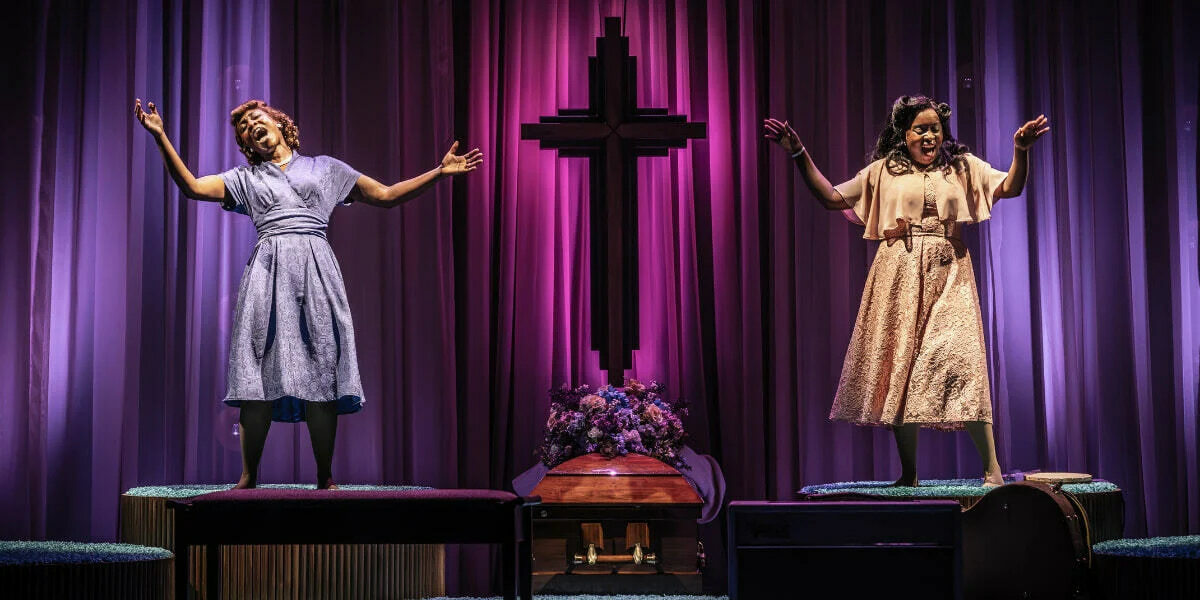
Sister Rosetta Tharpe: From the Pulpit to the Spotlight
Sister Rosetta Tharpe was already a star by the mid-1940s. Known for her fierce electric guitar playing and joyful, swinging gospel style, she broke boundaries by performing in nightclubs and concert halls as well as churches. In 1944, her song “Strange Things Happening Every Day” became one of the first gospel recordings to cross into the mainstream R&B charts — a moment many historians now see as a stepping stone toward rock ’n’ roll.
In the play, Rosetta isn’t just a performer — she’s a mentor, determined to show Marie that faith and freedom, devotion and showmanship, can exist side by side.
Marie Knight: The Voice of a New Generation
Marie Knight was younger, classically trained in church singing and rooted in traditional gospel. Her partnership with Rosetta pushed her toward a bolder, more rhythm-driven sound that would later help her find solo success in both gospel and secular music.
Marie & Rosetta captures this creative tension — the clash between purity and performance, tradition and transformation — and turns it into the emotional heart of the show.
The Influence That Reached Elvis and Beyond
The sound Rosetta and Marie were shaping in the 1940s didn’t stay in Mississippi. Gospel’s emotional power — its raw vocals, call-and-response rhythms and sense of release — became the backbone of early rock ’n’ roll. Elvis Presley, raised in the Pentecostal Church in Tupelo, Mississippi, grew up steeped in hymns and spirituals, later carrying that reverent, soulful delivery into his rock performances. Alongside artists like Johnny Cash and Little Richard, he drew from the same well of gospel feeling and rhythmic drive that Sister Rosetta Tharpe helped bring into the mainstream.
Music History, Live in the Room
Marie & Rosetta places audiences right at the moment this transformation begins. As Rosetta pushes Marie beyond the boundaries of traditional church singing, the show captures the birth of a sound that would travel from small-town churches to global stages. With live gospel filling the theatre at @sohoplace, the play becomes more than a story about two singers — it’s a front-row seat to the roots of modern popular music, and an invitation to witness where rock ’n’ roll truly found its soul.
Who’s Playing Who?
Beverley Knight stars as Sister Rosetta Tharpe, with Ntombizodwa Ndlovu taking the role of Marie Knight.
Playing from 28 February until 11 April 2026, book your tickets to Marie & Rosetta now.

By Hay Brunsdon
I've over 15 years of writing and editorial experience, and starting working in the West End theatre industry in 2012. When not watching or writing about theatre I'm usually swimming, hiking, running, or training for triathlons in the Stroud valleys.