
The West End Is Due a Cultural Reset
Published on 4 December 2025
The Breakthrough the West End Still Hasn’t Had: Whose Stories Are We Still Missing?
For all the West End’s brilliance, one uncomfortable truth still lurks behind the velvet curtain: ethnic diversity is visible on stage more than it is behind it. Casting has evolved, but the bigger imbalance remains in who gets to create, programme and decide which stories are told in the first place. The question is no longer whether audiences will embrace stories about underrepresented communities. It is whether the industry is willing to put the same muscle behind them as it does its safest bets.
In film, 2018 provided a cultural reset. Black Panther and Crazy Rich Asians didn’t just succeed — they proved that stories led by people of colour could dominate the mainstream conversation and the box office simultaneously. And who can deny that Jenny Han’s The Summer I Turned Pretty has had us in a chokehold since 2022! Theatre hasn’t had its equivalent breakthrough yet. It is still waiting for that defining moment when an ethnic-led story becomes a commercial and cultural juggernaut, not a “brave programme choice”.
This isn’t about tokenism and it isn’t about slipping diversity into existing frameworks. It’s about authorship, agency and access. Too often, Black performers are invited into worlds that were never built with them in mind, rather than being trusted to tell their own stories.
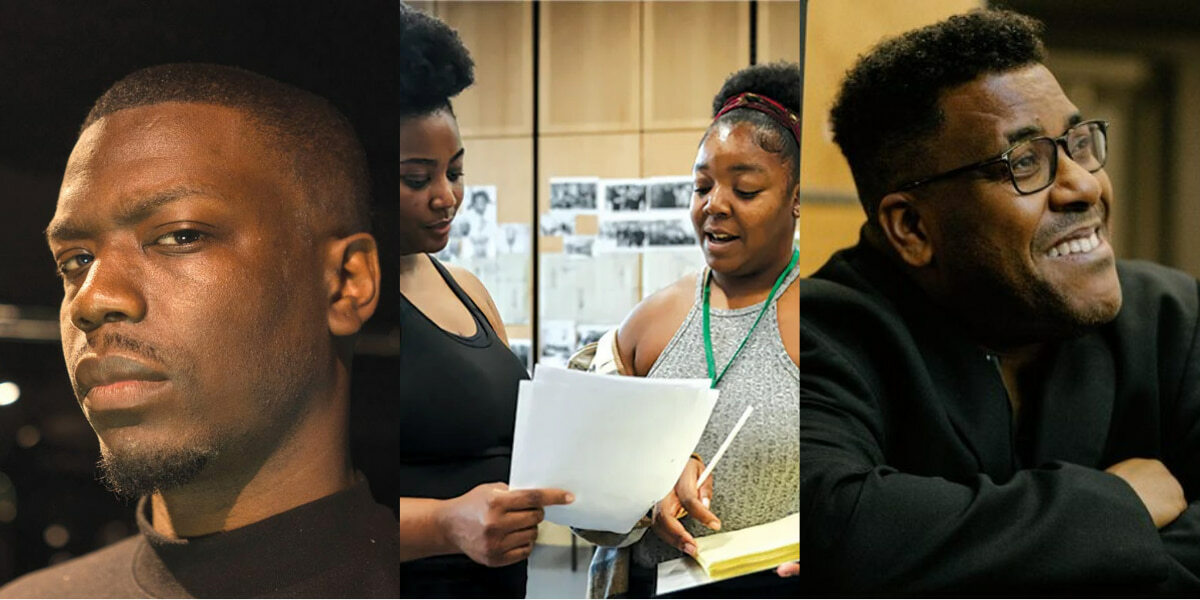
That frustration is articulated powerfully by playwright Urielle Klein-Mekongo in a recent interview with Lyn Gardner for Stagedoor, speaking about the seven-year journey to bring Black Power Desk to the stage:
“I’m tired of the industry landscape where theatres go ‘We want to tell this story,’ and then try and slot the ethnics last minute into the cast… I’m tired of seeing roles that were initially written for one kind of person becoming Black roles when no real care is made in the transition, and it's just there to tick a box.
“There are still so many beautiful Black stories about Black life in the UK which are not being told.”
Her words cut through to a wider truth: representation without ownership is not progress. Black actors deserve more than adapted roles. Black creatives deserve more than the margins. Investment must happen earlier — in writing groups, development schemes, leadership pipelines — so that playwrights, directors, designers and producers aren’t fighting uphill before a single light goes up.
Of course, there has been movement. Black Power Desk, In The Heights, Death of England, For Black Boys Who Have Considered Suicide When the Hue Gets Too Heavy, Slave Play, Retrograde, Hamilton, Get Up, Stand Up!, The Lion King and TINA all point to appetite, talent and success. But isolated triumphs don’t reshape an industry; momentum does.
The West End doesn’t need fewer risks — it needs braver confidence to drive systemic change, proving that productions led by or centring underrepresented communities can thrive both artistically and financially. This means representation not just in faces, but in voices, and not just in casting, but in who shapes and controls the theatre landscape as a whole.
Image: Writers Ryan Calais Cameron, Urielle Klein-Mekongo and Roy Williams.
By Hay Brunsdon
I've over 15 years of writing and editorial experience, and starting working in the West End theatre industry in 2012. When not watching or writing about theatre I'm usually swimming, hiking, running, or training for triathlons in the Stroud valleys.