
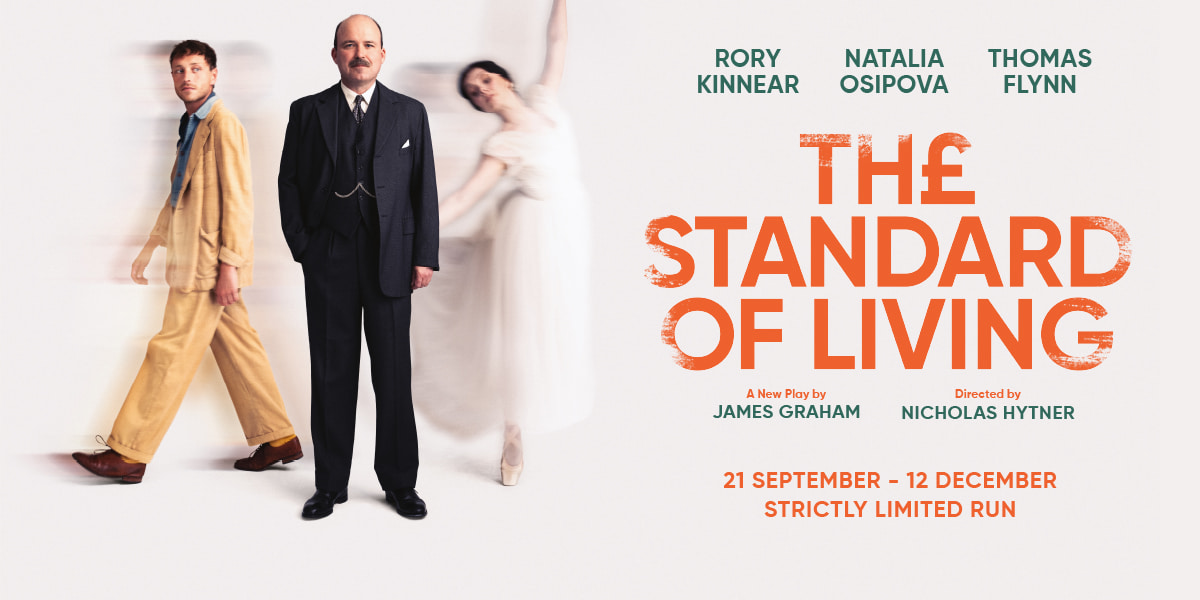
Lyn Gardner interviews Laurie Kynaston about The Standard of Living and the value of the arts
Published on 7 October 2026
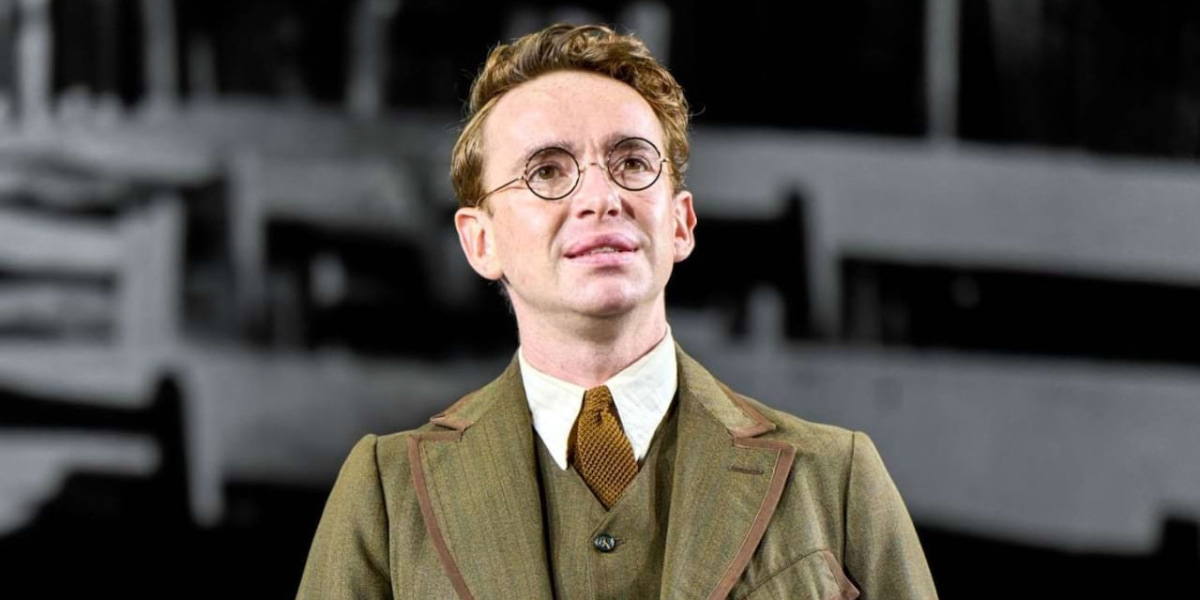
When actor Laurie Kynaston, currently playing Friedrich Hayek in James Graham’s The Standard of Living at the Theatre Royal Haymarket opposite Rory Kinnear, was growing up in mid-Wales, his local comprehensive school had a drama studio and “two great drama teachers".
Kynaston says that the experience and exposure to drama at school “made me an actor", but wonders whether those who have come after him have been so lucky. He points to a recent report which found that students in the most deprived local authorities are three times less likely to take GCSE drama than their peers in more affluent areas. “Every child deserves the opportunities I had.”
Aged 19, Kynaston moved to London, paid £440 a month to live in Archway (“which nobody would be able to do now") and has had an enviable career both on TV and in the theatre playing the lead role in Florian Zeller’s The Son, Melchior in Spring Awakening at the Almeida, Edmund Tyrone in Long Day’s Journey into Night and earlier this year Basil in Terrence Rattigan’s Man and Boy at the National.
He’s found success playing moody teenagers, but the role of Hayek, the Austrian philosopher and economist, in Nicholas Hytner’s production pits Kynaston as the antagonist to Kinnear’s protagonist, John Maynard Keynes. “It’s thrilling,” he says, “because I’m working with people who are all at the top of their game, so you learn something new every day.”
A key scene in The Standard of Living has both men working as fire wardens on the roof of King’s College Chapel in Cambridge during the war. Keynes ponders on the need to dream a new world and the necessity of feeding the imagination in order to do that. Hayek retorts, "You feel free to dream, Mr Keynes. I like being awake.”
It sums up the difference in outlook between the two economists. Hayek believed that when there was an economic downturn, the market would eventually correct it, and it was dangerous to try and intervene. Keynes argued that you should spend in the bad times because that was the only way to grow the economy. In the post-war period when the UK was emerging from the war and financially on its knees, he dreamed big. Keynes was an architect of the Arts Council, believing that everyone needed beauty in their loves and the arts could be an economic driver.
For Kynaston, what’s key is the way Graham depicts both men and their very different standpoints. “They didn’t agree with each other, but they respected each other’s views.”
At its heart, The Standard of Living asks questions about what is value in society and what it is that gives our lives purpose and meaning. Can art add value, contributing both to individual well-being and also the economy? All the evidence suggests that Keynes was right to believe so.
In our own times the creative industries have consistently outperformed the rest of the UK economy. Between 2023 and 2024, the creative industries expanded by 4.6%, which was more than four times the growth rate of the overall UK economy during that period. The arts—including theatre—make an enormous contribution to the treasury coffers as well as other local businesses and are real drivers of regeneration. Manchester is a case in point. New prime minister Andy Burham has seen that as the mayor of Manchester during a time when the city was fast becoming a cultural powerhouse. Perhaps he will take note.
Kynaston may be playing Hayek, whose ideas found support in the Thatcher and Reagan eras ("Thatcher used to carry his book around with her"), and he admires the thoughtfulness of the man, but it is clear that his heart lies with the Keynesian idea of giving everyone access to a good and meaningful life.
“One of the things I’ve realised doing this play is that economics is a philosophical science. It’s not just about money and numbers, it’s about trying to define what a fair world would look like and how that world should work. Keynes believes we should invest in beauty because its makes people’s lives better, and that is worth thinking about.”
Particularly at this moment in time when the arts are suffering after years of declining funding from both central government and local councils. Yet as Kynaston, who last worked with James Graham on some short TV plays, filmed in his and other actors’ bedrooms during the pandemic, points out, we all need art in its many forms in our lives.
"When the pandemic closed all our social lives down, everyone turned to the TV.” Not just then but also now. Netflix and other streaming services lean strongly on British playwriting and acting talent.
Yet as Kynaston says, rising costs mean that theatre is finding it hard to offer the opportunities that allow that talent to develop and grow. He references a successful Irish scheme which offers artists regular support over a three year period.
“Maybe we should look at something like that here,” he ponders. Indeed the scheme has proved successful, with every Euro the government invested in it seeing a return of 1.39 Euros. It has increased artistic productivity and well being too. Keynes would surely have approved. Hayek? I’m not so sure.
The Standard of Living plays at the Theatre Royal Haymarket until 12th December 2026. Book your tickets today.
By Lyn Gardner
Lyn Gardner is an acclaimed theatre journalist and former critic with decades of experience covering British theatre, from off-West End and fringe theatre to major West End productions.