
Lynette Linton on The Boy Who Harnessed the Wind, Representation and British Theatre
Published on 30 June 2026
When director Lynette Linton is watching her production of The Boy Who Harnessed the Wind at @sohoplace the thing she enjoys most is watching the rapt faces of the 10-year-olds and young people in the audience.
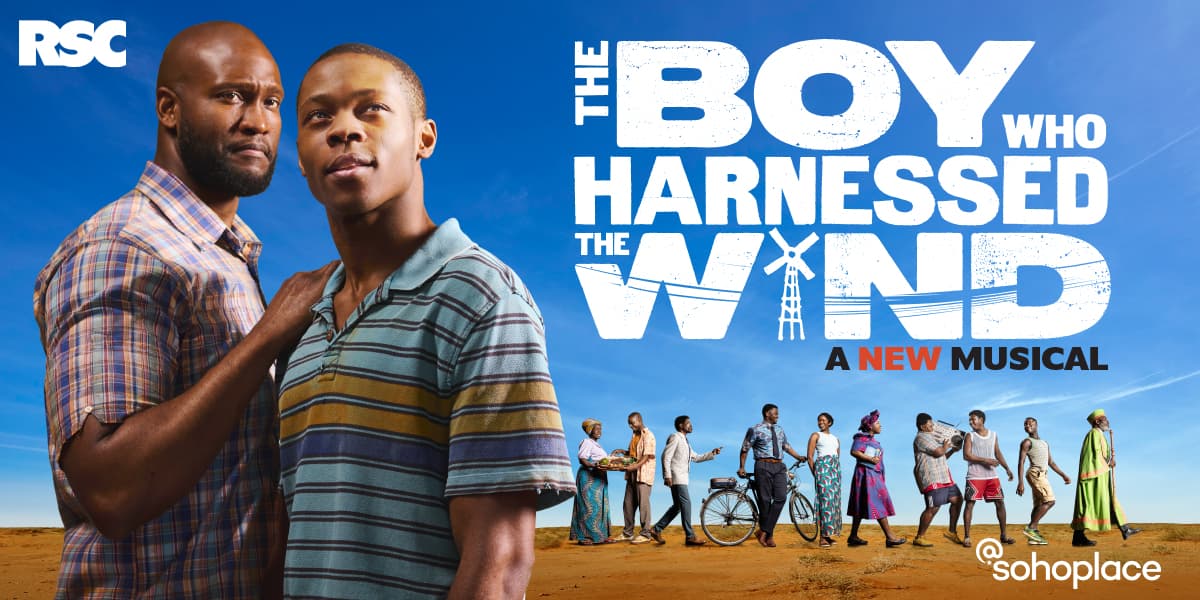
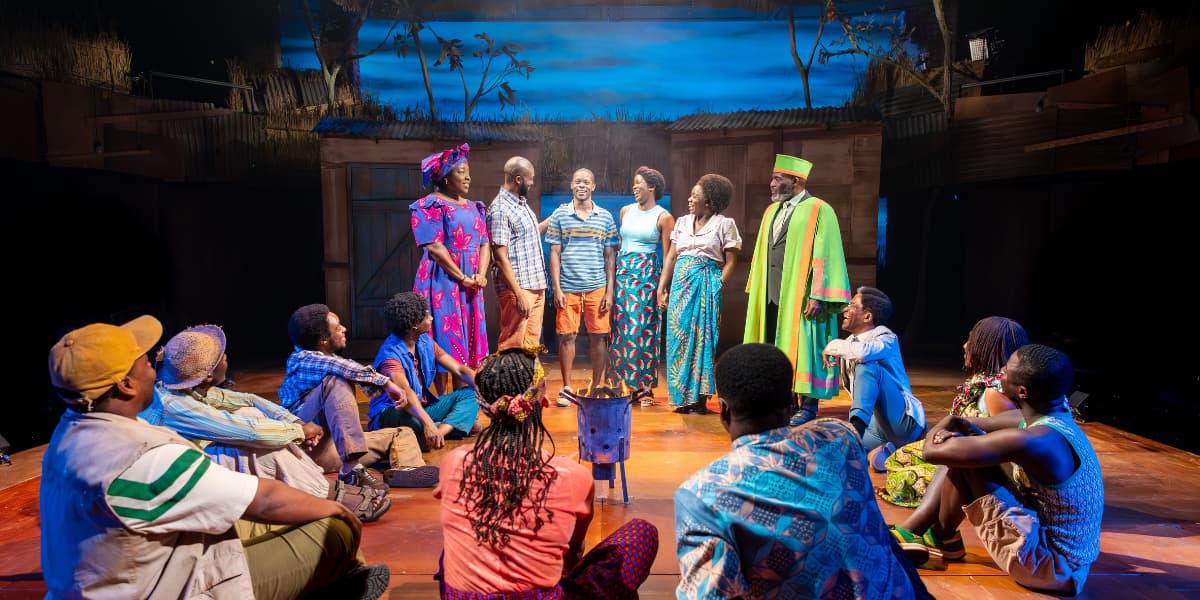
Produced by the RSC, whose previous long-running musical hits include Les Misérables and Matilda The Musical, The Boy Who Harnessed the Wind is a musical written by Tim Sutton and Richy Hughes based on the true story of Malawian teenager William Kamkwamba, who hit upon the idea of building a wind turbine to save his village from famine.
Kamkwamba co-wrote a book about his experience, and Chiwetel Ejiofor directed a film version in 2019. But the musical brings new life as well as African rhythms, puppetry, dancing and real joy to this story of a village on the brink of disaster and the boy whose ingenuity and determination averted catastrophe.
“It’s such an inspiring story,” says Linton, who, when we speak, is about to hop on a plane to New York to remount her staging of Benedict Lombe’s Shifters, which she first staged at the Bush in 2024 and which transferred into the West End. Shifters was just one of a blinding series of new plays premiered at the Bush when Linton was artistic director there.
Now as a freelancer, when she accepts a directing job, she asks herself a series of questions: 'Why am I doing this?' What's it for? How do I relate to it artistically? And why do I want to tell this story?” But with The Boy Who Harnessed the Wind there was no hesitation. “I just knew this was a story which would inspire Black children, so I wanted to do it.”
Linton, best known for redefining the Bush and staging a string of meaty dramas at the National Theatre and in the West End, including Blues for an Alabama Sky, Intimate Apparel and Sweat, is a massive musical nut (‘I love them all from Chicago to Hamilton) and it might surprise some that she would like nothing more than a shot at *High School Musical. *
The Boy Who Harnessed the Wind is her first foray into musicals, but she hopes it won’t be her last.
“It was daunting because I’d never done it before, and I’m a very text- and character-led director, so a musical felt like quite a leap. But I wasn’t alone. I had a team of amazing human beings and creatives and a cast who really wanted to collaborate, so I just dove in. Sometimes when you are directing, you just have to jump in the water and start swimming so that’s what I did.” Although in real life Linton can’t actually swim.
Just diving in is what Linton has always done. When Josie Rourke, then artistic director of the Donmar, put Lynn Nottage’s rust belt drama Sweat—the play which was hailed as explaining Trump’s 2016 electoral success—in Linton’s hands, it might have seemed like a high-stakes risk for the exalted boutique theatre and the still largely unknown young director. But Linton’s expansive, confident staging swept the show into the West End and Linton into the rising star firmament.
The young woman who was raised in Leytonstone and loved EastEnders but knew little about theatre until she stumbled into the Theatre Royal Stratford East, initially thinking she might want to be a writer, soon took over the Bush. With associate artistic director Daniel Bailey, she transformed it into a powerhouse of contemporary writing, effortlessly disrupting the canon with brilliant new plays, often written by Black and Asian writers, including High Table, Red Pitch and Shifters. They were heady times, and rumour has it that Linton came close to getting the National Theatre top job.
She would indeed like to run another theatre at some point in the future but says she loves the freedom of being a freelancer but adds, "You catch me at a moment when I am thinking hard about my next steps.” She is taking a well-earned break after Shifters, although she has projects and collaborations in the pipeline, including one with Giles Terera.
“I think it’s always important every now and again to reset and really ask yourself what you are doing and why. I’m lucky I have opportunities coming in and producers saying, 'This sounds like a job Lynette would do well,’ but I also have a massive group of artists, actors and writers who I really want to work with. So, it’s about balancing those two things. and finding ways to build a community outside of a building.”
She knows she is in a privileged position, and it is why she spends so much time working with young people and doing workshops with organisations from the National Youth Theatre to Theatre503 with would be theatre makers. She says she will never forget her 15-year-old self wanting to crack theatre.
“Breaking into theatre is much harder than it was when I started out, and it is important that me and my peers are honest about that and try to support young people who might want to make careers in theatre. When I was coming up, the fact that Theatre Royal Stratford East was open to me as a place to hang out was crucial, and it's why at the Bush Dan and I had a young company who felt that they really belonged in the building, had a place they called home and were hanging out in the green room with the professional actors.’
She has no time for those who argue that theatre, particularly the funded sector, is facing tough choices at the moment and doesn’t have the resources to help.
“It is difficult. We all know that funding is tight. But those of us who already have careers in the industry should be opening the doors wide and saying to young people, 'Come inside, sit and read these scripts; come into the rehearsal room and find out what happens there; come to this workshop and have these free tickets.’ We can do these things as an industry even in tough times.”
Linton has always been willing to speak up and speak out, if necessary calling out the industry on its blind spots, including expressing her shock at “the lack of representation in the West End for Black and Asian” creatives. On stage, representation has improved immeasurably over the last 10 years, but offstage, white creatives still dominate. “We need to keep having those conversations because if we don’t, nothing will change."
But being vocal can of course feel like a risk particularly when, as Linton now is, you are a freelancer, albeit one who is much in demand.
“I used to worry about saying what I thought. Now I just hope that my work speaks for itself and people see that it is good and still want to work for me. It is a risk I must take because I cannot work in an industry where people are afraid to speak up about the things that need to change. Of course, I still worry, but I also know that I cannot make my best work, my most truthful work, if I’m not being truthful and speaking up about the change we need.”
The Boy Who Harnessed the Wind plays at @sohoplace until Saturday 18th July. Book your tickets today.
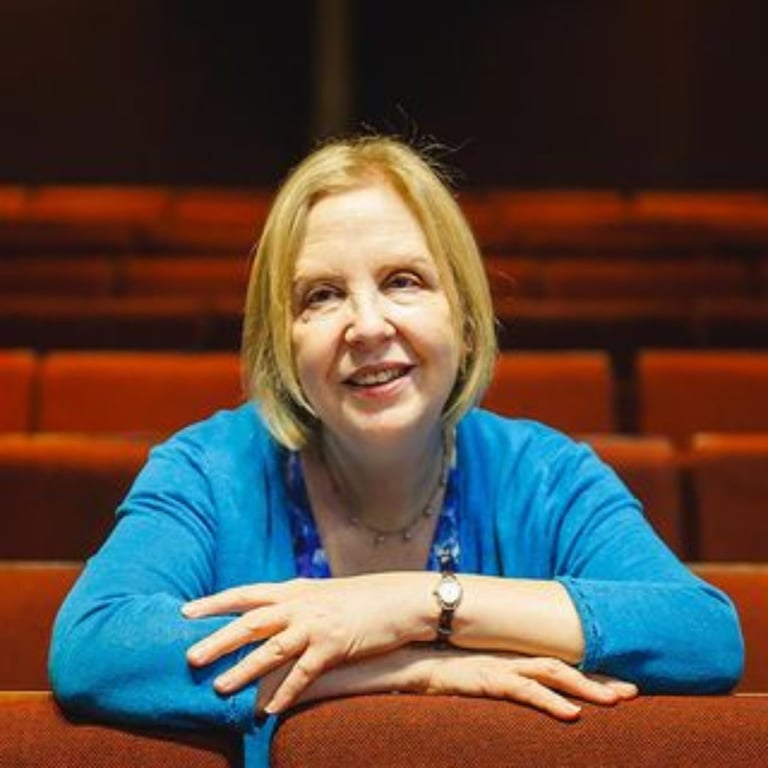
By Lyn Gardner
Lyn Gardner is an acclaimed theatre journalist and former critic with decades of experience covering British theatre, from off-West End and fringe theatre to major West End productions.